Need help learning how to floss with braces in St. Augustine, FL? Flossing keeps your mouth healthy by cleaning spots your toothbrush can’t reach. When you have braces, you’ll use a floss threader or special orthodontic floss to slip the floss under the archwire and between each tooth. It may take a little extra time, but it helps prevent buildup and irritation.
Keep reading to understand why flossing with braces matters and how to floss with braces the right way.
Why Flossing Is Important When You Have Braces
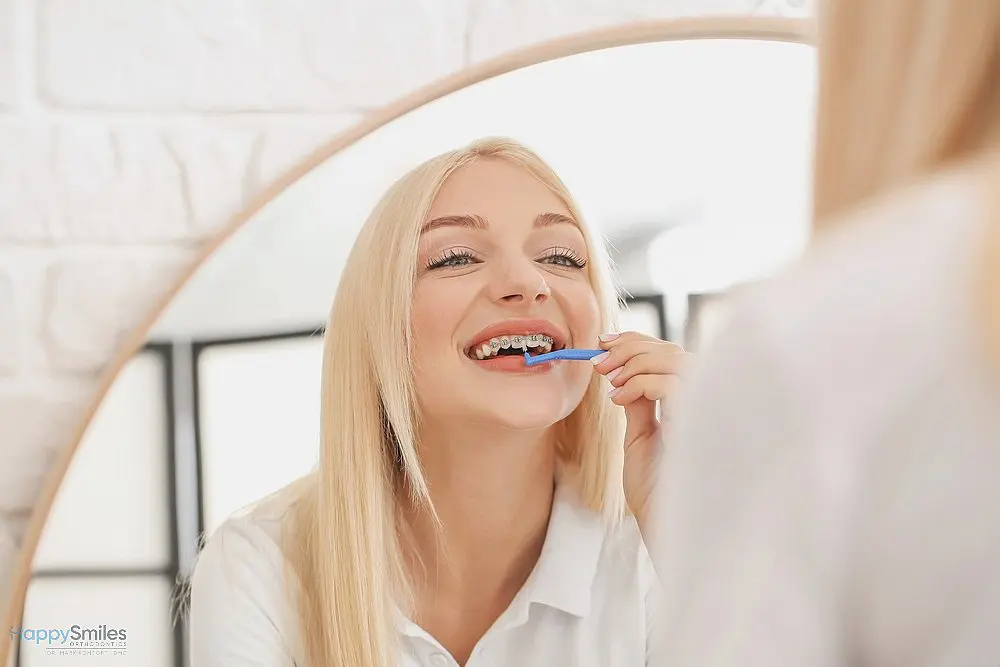
Braces help straighten your teeth, but they also create small spaces where food can get trapped. Brackets and wires make brushing and flossing harder, and when plaque builds up near your gum line, it can lead to gum disease, gingivitis, tooth decay, and cavities. Flossing reduces this buildup by removing sticky plaque from between your teeth, protecting your enamel, and keeping your gums healthy while lowering the risk of swelling or irritation.
Good flossing habits also support preventive dentistry. When you floss once a day and brush well, you reduce the need for future dental work. Clean teeth make orthodontic care smoother and help your braces work the way they should.
Tools That Make Flossing Easier with Braces
Flossing with braces takes practice, but the right tools make the job easier. These tools help clean tight spaces, wires, and gum line areas that a toothbrush cannot reach.
1. Floss Threader
A floss threader is a small plastic tool that guides floss under your wires. It makes it easier to reach the spaces between brackets and teeth. Many people find it helpful when they first start their flossing routine. Most orthodontic practices, including Happy Smiles Orthodontics, provide floss threaders in patient kits.
2. Water Flosser
A water flosser uses a steady stream of water to wash away plaque, debris, and food particles. It is gentle on the gums and useful for people who find string floss difficult. A water flosser also helps clean around wires and brackets without irritation. Many patients use it as part of their daily hygiene routine.
3. Orthodontic Floss
Orthodontic floss is a special type of floss made for braces. It is stiffer and easier to guide under wires. This floss works well with a threader and helps clean near the gum line. It is also good for removing plaque around brackets and adhesive from past meals.
4. Superfloss
Superfloss has a smooth, spongy texture. It slips easily under wires and between teeth. The thicker section helps remove plaque and food particles from tight spaces. It is a strong option for deeper cleaning, and many patients continue using it even after their braces come off. According to Dr. Andre Correia Jham, a well-known orthodontist in Bloomingdale, IL, superfloss is great for busy people who want a simple, quick way to keep teeth clean.
5. Floss Picks & Interdental Brushes
Floss picks and interdental brushes (sometimes called proxy brushes) are simple tools for quick cleaning. They help remove plaque around brackets, help clean narrow spaces, and reach areas where regular floss may bend or break. These tools are helpful during school, work, or meals on the go.
Where You Can Buy These Flossing Tools
Most pharmacies and online stores in St. Augustine carry floss threaders, orthodontic floss, superfloss, and water flossers. Happy Smiles Orthodontics also provides starter kits that include many of these tools, along with instructions for your braces care routine.
Step-by-Step Guide: How to Floss with Braces
It may feel slow at first, but flossing gets easier with daily practice. Follow this simple tutorial:
Step 1: Thread the Floss
Cut about 18 inches of floss. Place one end into your floss threader. Slide the threader under your wire so the floss is now behind the wire. This helps you reach the small spaces under the brackets and around the gum line.
Step 2: Clean Between Each Tooth
Hold the floss with both hands. Wrap it in a C-shape around one tooth. Move it slowly up and down along the side of the tooth. Slide it slightly under the gum line, but do this gently to avoid irritation.
Move to the next tooth by pulling out the floss and threading it again under the wire. Over time, this technique becomes smoother and faster.
Step 3: Use a Water Flosser (Optional)
If you struggle with string floss, add a water flosser to your routine. Aim the water stream between each tooth, around brackets, and along the gum line. Adjust the pressure to a level that feels comfortable for your gums.
Many patients with sensitive gums use a water flosser as their main cleaning tool, and then use string floss once or twice a week for deeper cleaning.
Step 4: Finish with Brushing
After flossing, brush with a soft-bristle toothbrush and fluoride toothpaste. Brush around brackets and wires with small circular motions. Brush for two full minutes. Rinse with water, a mild mouthwash, or warm saltwater if your gums feel sore.
Tips for Cleaning Different Types of Braces
Different braces work in different ways, so cleaning them can vary too. Each style has its own challenges, from hard-to-reach spots to delicate brackets. Knowing the right technique helps you keep your teeth and braces clean throughout treatment.
Metal Braces
Thread floss under the wires. Clean between each tooth to prevent plaque and debris buildup. Consistent daily cleaning helps keep your teeth healthy throughout treatment.
Clear Ceramic Braces
Use gentle flossing motions to protect the delicate ceramic brackets. Move slowly around each tooth to avoid putting pressure on the brackets. A soft-touch routine helps keep your braces clean without risking damage.
Lingual Braces (Placed Behind Your Teeth)
Flossing can feel tricky, so a water flosser helps clean these areas with less effort. It reaches tight spaces that are hard to access with regular floss. This makes your cleaning routine faster and more comfortable.
Self-Ligating Braces
These braces need fewer adjustments, but you still need regular flossing and brushing to prevent plaque buildup. Clean around the clips carefully to keep food from getting trapped. Staying consistent helps your treatment stay on track.
How to Manage Common Flossing Challenges
Many people face the same problems when learning to floss with braces. Use these tips to make flossing easier:
Sensitive Gums
Your gums may feel sore at first. Try warm saltwater rinses and floss gently. Use a toothpaste for gum sensitivity if needed.
Hard-to-Reach Spaces
Use interdental brushes or a water flosser to clean tight areas your floss cannot reach. These tools slide easily around brackets and wires. They help remove leftover food and plaque for a more complete clean.
Difficulty Handling Floss
If flossing feels awkward, try floss picks designed for braces or a Waterpik-style device. These tools make flossing simpler and faster.
Personalized Care at Happy Smiles Orthodontics
At Happy Smiles Orthodontics in St. Augustine, we help each patient build strong oral hygiene habits. Our orthodontic team offers:
Hands-On Lessons
We demonstrate how to floss, brush, and clean around your braces. We guide you through each step so you feel confident on your own. These lessons make daily care easier and more effective.
Custom Hygiene Kits
These kits include floss threaders, orthodontic floss, interdental brushes, and more. Everything is selected to fit your braces and oral needs. You can use the tools right away to keep your teeth clean and healthy.
Expert Advice
We give step-by-step instructions for your braces care routine, including brushing, flossing, and preventive dentistry tips. Our team explains each technique in simple terms so it’s easy to follow. You can ask questions anytime to make sure you’re doing every step correctly.
Oral Hygiene After Your Braces Come Off
When your braces are removed, your teeth may feel smooth and clean, but your enamel still needs daily care. Keep these habits:
Wear Your Retainer
Your retainer keeps your teeth from shifting. Follow your orthodontist’s instructions. Wear it as often as recommended to maintain your results.
Floss Daily
Flossing prevents plaque, tartar, and gum disease. Continue your routine even after your brackets are gone. Clean between every tooth to keep your smile healthy. As Dr. Adelina Fontes Das, a dedicated orthodontist in Avon and Torrington, CT, reminds patients, keeping up these habits means your smile will look and feel great for years.
Visit Your Dentist Every Six Months
Regular cleanings help stop buildup and protect your enamel. These visits catch early signs of problems before they get worse. Your dentist can also check how well your teeth are holding their new positions.
Start Your Flossing Routine Today
Flossing with braces does not have to be hard. With the right tools and technique, you can keep your teeth clean and your gums healthy every day. At Happy Smiles Orthodontics, we are here to support your braces care routine and help you achieve a strong, bright smile.
If you want more guidance or need a refresher on proper oral hygiene, schedule an appointment with our St. Augustine team. We will help you build healthy habits that protect your teeth, gums, and enamel for years to come.
About The Author
Dr. Mark Komforti – Orthodontist in St. Augustine, FL
Dr. Adelina Fontes Das – Orthodontist in Avon and Torrington, CT
Frequently Asked Questions
Can I just brush my teeth with braces?
You can brush your teeth with braces, but you shouldn’t rely on brushing alone. Braces trap more food, so flossing and cleaning between the brackets is still needed to keep your teeth healthy.
Can I skip a day of flossing with braces?
It’s best not to skip. Plaque builds up faster when you have braces, so missing a day can lead to gum swelling and stains. If you do miss a day, get back on track as soon as possible.
How to floss quicker with braces?
Use a floss threader or a water flosser. They make flossing with braces much faster, and they help you clean the spots your toothbrush can’t reach.