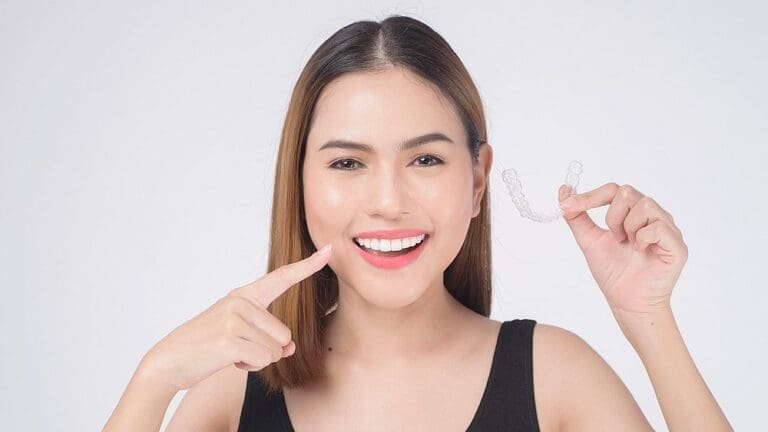
If you’re asking, “How long do braces take?” Most patients finish comprehensive treatment in 18 to 24 months, and the exact timeline depends on the bite, the patient’s age, and how closely the plan is followed.
Anyone starting braces wants a real number, not a vague range. At Happy Smiles Orthodontics, that number usually lands between 18 and 24 months, but the honest answer is that the specific timeline comes from an exam, not a guess. This guide walks through what actually moves that window in either direction and what to expect at each stage of treatment in St. Augustine.
Most braces treatment at Happy Smiles Orthodontics lasts 18 to 24 months. The exact duration depends on how much correction the teeth and bite need, the patient’s age, and how consistently the patient follows instructions between visits. Dr. Mark Komforti confirms a specific timeline after a full exam, not before one.
At Happy Smiles Orthodontics, Dr. Mark Komforti works from the same principle every case starts with: the timeline follows the bite, not the calendar. Two patients who start treatment the same week rarely finish on the same week, because the alignment issue, the patient’s age, and how closely the plan is followed all shape the pace differently.
This guide covers the factors that speed treatment up or slow it down, the treatment options available at the practice, and the step-by-step process from the first visit to the day the braces come off.

What Affects How Long Braces Take
No two smiles need the same amount of work, so no two treatment plans run on the same clock. Three factors do most of the work in setting the timeline.
Alignment Issues and Tooth Position
The teeth and bite shape matter most. They determine how quickly the teeth can move safely and what type of treatment fits best. As Dr. Jared R. Gianquinto, an orthodontist at Gianquinto Orthodontic Arts in Bakersfield, CA, puts it, clear goals, steady force, and the right type of braces all help teeth move in a safe and steady way over time.
Mild crowding or small gaps generally move faster and need fewer adjustment visits, so treatment often ends sooner. Moderate to severe bite problems, such as an overbite, underbite, or crossbite, take more time because they affect how the upper and lower teeth fit together, not just how straight each tooth sits. The higher the case severity, the longer treatment tends to run, since more steps mean more careful, incremental control.
During the initial assessment, the orthodontist reviews the teeth, bite, and alignment issues and explains how complex the case is so the patient has a realistic picture of the timeline from day one.
Age
Age plays a real role in how quickly teeth respond. Children and teens often see faster progress because their jaws are still growing and their teeth respond readily to gentle, sustained force. Adults can still get excellent results. Movement may be a bit slower, but progress stays steady with good compliance and consistent care. Age does not rule out success at any stage of life, though it is one more input the orthodontist weighs when setting expectations.
Patient Compliance and Lifestyle
Daily habits affect the pace more than almost anything else in the patient’s control. Good habits keep treatment on schedule. Poor habits slow it down. Staying on track means wearing rubber bands as instructed, following Invisalign wear guidelines, avoiding sticky or hard foods, brushing and flossing daily, and keeping every scheduled appointment.
Strong compliance improves efficiency and can shorten total treatment time. Following the orthodontist’s instructions closely also helps prevent the kind of setbacks, like a broken bracket or a missed adjustment, that add unplanned time to a case.
Treatment Options at Happy Smiles Orthodontics
Happy Smiles Orthodontics offers a range of treatment options to fit different needs and lifestyles.
Metal braces are strong, reliable, and often the most affordable option, and they work well across mild and severe alignment issues alike, moving teeth with steady, continuous pressure.
Ceramic braces work through the same fixed-bracket mechanics as metal braces, but the brackets are clear or tooth-colored, so they blend in better with the smile. They need more careful cleaning to avoid staining and are popular with teens and adults who want a less noticeable option.
Invisalign treatment uses a series of clear, removable trays that need to be worn 20 to 22 hours a day to stay on schedule. Results depend directly on daily wear, so Invisalign offers real comfort and convenience, but it asks for real commitment in return.
Factors That Speed Up or Slow Down Treatment
| Factor | Tends to shorten treatment | Tends to lengthen treatment |
| Alignment severity | Mild crowding or small gaps | Moderate to severe overbite, underbite, or crossbite |
| Age | Children and teens, whose jaws are still growing | Adults, where movement can be a bit slower |
| Compliance | Consistent rubber band and aligner wear, no missed visits | Skipped wear instructions, missed appointments, broken brackets |
This is a general guide, not a substitute for a specific plan. The exam confirms which side of each row applies to a given case.
When the Standard Timeline Doesn’t Apply
The 18 to 24 month range describes a typical comprehensive case, not every case. Patients with more complex bite corrections, significant crowding, or jaw alignment concerns should expect their own timeline to sit outside that window in either direction, and that is expected rather than a sign that something has gone wrong. Patients with untreated gum disease or active tooth decay may also need those issues addressed first, which adds time before active treatment even starts.
The takeaway is not to compare a personal timeline against a general range too closely. It is to get a specific answer for the specific bite in question.
What a Consultation Can Tell You That a Guide Can’t
A guide like this one can explain the factors that generally move a timeline. It cannot look at an individual bite, measure crowding, or account for a patient’s dental history. That takes a real exam.
A consultation at Happy Smiles Orthodontics includes a full exam, digital scans or X-rays, and a review of the bite and jaw, and it ends with a treatment plan and a specific timeline rather than a general range. Schedule your appointment today to get an answer built around your own case.
The Braces Treatment Process, Step by Step
Understanding the process ahead of time helps make each stage feel more predictable.
Step 1: Consultation and Assessment. The first visit includes a full exam, digital scans or X-rays, and a bite and jaw review. The orthodontist builds a clear treatment plan and walks through the timeline, options, and cost, with time for questions along the way.
Step 2: Getting Braces On. Brackets and wires are placed during one visit that typically runs one to two hours. Patients may feel pressure, but discomfort is usually mild and short-lived, and most people return to normal activities the same day.
Step 3: Adjustments and Appointments. Patients return every 4 to 8 weeks so the orthodontist can check progress, make adjustments, and guide the next phase of tooth movement. These visits keep treatment safe and on schedule.
Step 4: Treatment Completion. Once the teeth reach their target position, the braces come off during a short, simple visit. Patients also receive guidance on the next phase of care, since the work of holding the result in place starts right away.
Why Retainers Matter After Braces
Teeth can shift after treatment ends, and retainers are what prevent that movement. Patients may receive removable retainers, fixed retainers behind the teeth, or both, and the orthodontist explains wear time and care for each. Wearing the retainer as directed is what keeps the result stable for years, not just for the first few months.
Cost of Braces in St. Augustine, FL
The average cost of braces at Happy Smiles Orthodontics ranges from $3,000 to $7,000. Price depends on the treatment type, case complexity, time commitment, and the technology involved in the plan. Metal braces usually cost less than ceramic braces or Invisalign.
The practice offers monthly payment plans, help navigating insurance coverage, and FSA and HSA support, and the team walks through full cost details before treatment begins so there are no surprises partway through.
Frequently Asked Questions
Do braces make teeth 100% straight?
Braces are designed to move teeth into proper alignment and can create a very straight smile. The final outcome depends on the condition of the teeth and bite, and on how closely the patient follows treatment instructions. Wearing retainers after braces is essential to maintain results and prevent teeth from shifting over time.
What disqualifies you from getting braces?
Most patients are good candidates for braces, regardless of age. Conditions such as untreated gum disease, active tooth decay, or poor oral hygiene may delay treatment. Once these issues are addressed, braces can usually be placed safely and effectively.
How soon after braces can I eat?
Patients can eat shortly after getting braces, though the teeth may feel sore or sensitive at first. Soft foods like soup, yogurt, or mashed foods are recommended for the first few days. Hard, sticky, or chewy foods are best avoided until discomfort fades and the mouth adjusts to the braces.
Can I do anything to speed up my treatment time?
The single biggest lever a patient controls is consistency: wearing rubber bands or aligners exactly as instructed, keeping every appointment, and avoiding foods or habits that damage brackets. None of these guarantee a faster finish on their own, but skipping them is one of the most common reasons a case runs longer than planned.
Does Invisalign take longer than metal braces?
It depends on the case. For milder alignment issues, Invisalign and metal braces often run similar timelines. For more complex bite corrections, a fixed appliance can sometimes offer more direct control, which is part of why the choice between the two starts with an exam rather than a preference.
Sources. General orthodontic treatment-duration information consistent with patient resources published by the American Association of Orthodontists. Clinical commentary from Dr. Jared Gianquinto (Bakersfield, CA) and Dr. Sam Elkenawy (Houston, TX). Practice-specific details from Happy Smiles Orthodontics, St. Augustine, FL.

Related Reading
Start Your Braces Journey Today
If you want a specific timeline instead of a general range, a consultation at Happy Smiles Orthodontics gives you a full assessment and a clear plan built around your bite.
Schedule Your Free Consultation
Free consultation available for new patients in St. Augustine, FL.