Clear aligners and ceramic braces solve the “no visible metal” problem in different ways, and the right one depends on the bite, not the brand.
Most patients who search for alternatives to braces have already decided one thing: they want straighter teeth without a mouth full of visible metal. What they usually have not decided yet is which alternative actually fits their bite, their budget, and their daily routine. This guide walks through the real options available in St. Augustine and how to think through the choice.
Clear aligners like Invisalign and ceramic clear braces are the two most common alternatives to traditional metal braces. Clear aligners work best for mild to moderate spacing and crowding. Ceramic braces give the strength of fixed braces with a far less noticeable look. Retainers and veneers can sometimes handle very minor cosmetic issues without a full course of treatment. At Happy Smiles Orthodontics, Dr. Mark Komforti matches the option to what the bite needs during a consultation, not to whichever option is trending.
How Each Alternative Works
Clear Aligners: The Invisalign Experience
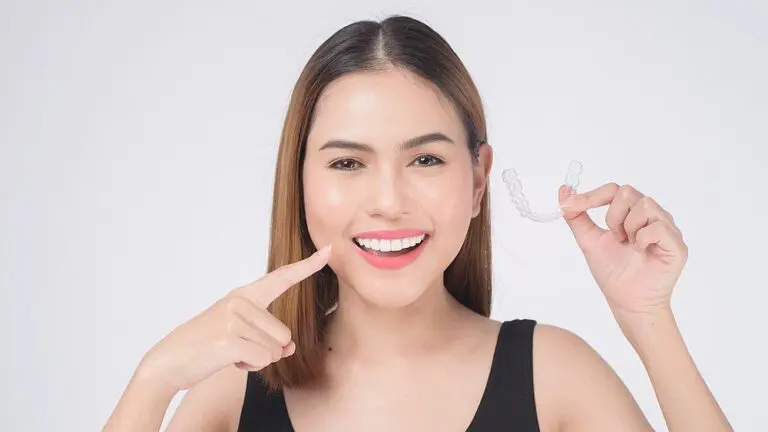
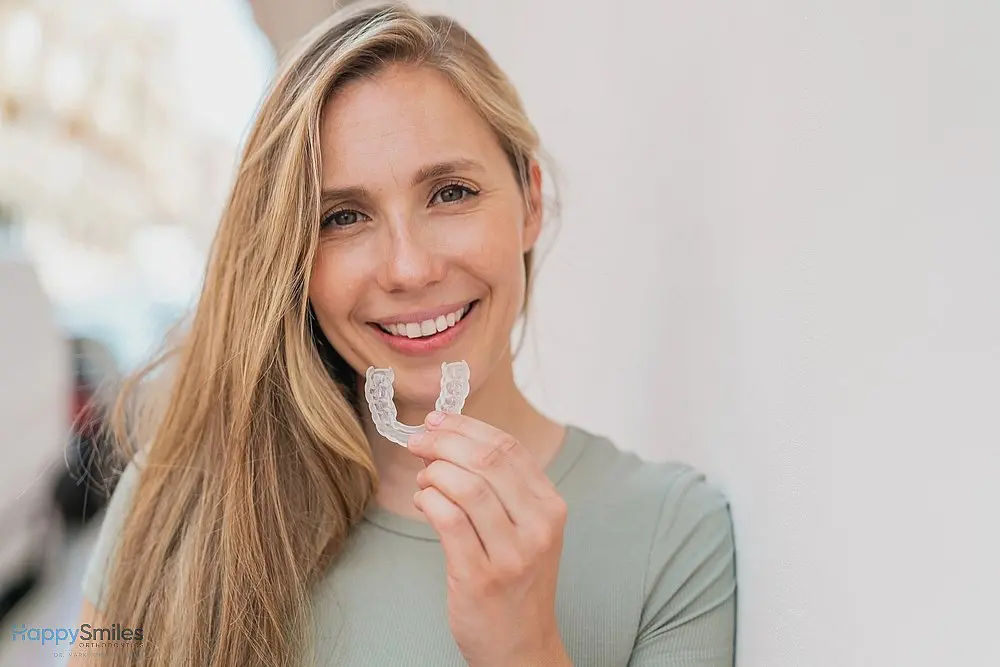
Invisalign replaces metal brackets and wires with a series of clear, custom-fitted trays. Each tray in the sequence moves the teeth a small, planned amount before the patient switches to the next one. As Dr. Leonardo Koerich, a highly rated orthodontist in Charlotte, NC, points out, that gradual, staged movement is what keeps the treatment gentle while still making steady progress toward a straighter smile.
Planning starts with a digital scan rather than a physical mold, which lets the orthodontist map out every stage of movement before treatment begins. Because the trays are clear and removable, patients can eat, brush, and floss without the workarounds that fixed appliances require, which is a large part of why Invisalign is a popular starting point for adults and teens who want a lower-visibility option.
Invisalign tends to work well for gaps, crowding, and milder bite issues. More complex cases can sometimes still be treated with aligners, but that depends on the specific movements the case needs, which is why a consultation and a scan come before any recommendation.
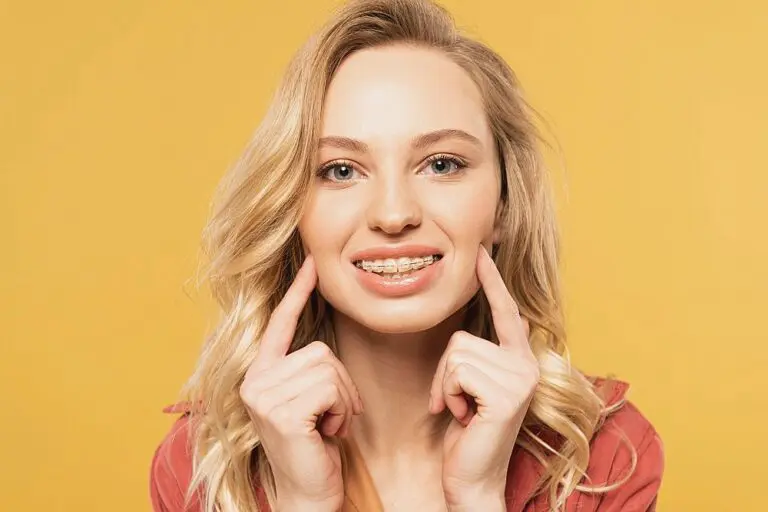
Ceramic Clear Braces: A Subtle, Fixed Option
Ceramic braces use the same fixed-bracket-and-wire mechanics as traditional metal braces, but the brackets are clear or tooth-colored so they blend into the smile. Because they stay bonded to the teeth around the clock, they do not depend on a patient remembering to wear anything, which is a meaningful advantage for a patient who knows they would not be consistent with removable trays.
The trade-off is mostly cosmetic during treatment, not mechanical. Ceramic brackets can pick up staining if oral hygiene lapses, and they are typically a larger investment than metal brackets because of the material. For a patient who needs the control of fixed braces but does not want the look of metal, ceramic is a middle path worth discussing at a consultation.
Retainers and Veneers for Minor Corrections
Not every concern needs a full course of treatment. According to Dr. Blake Tollison, a trusted family orthodontist in Greenville, SC, a simple retainer can sometimes correct a small shift before it becomes a larger problem, and retainers are a low-cost way to address minor movement early.
Veneers work differently and are worth separating out clearly: they do not move teeth at all. A veneer covers the front surface of a tooth to change its shape or color, which makes it a cosmetic fix rather than an orthodontic one. Patients considering veneers for a spacing or alignment concern should know that the underlying position of the tooth is unchanged, only its appearance.
Comparing the Options at a Glance
| Option | Visibility | Removable? | Best suited for | Typical cost position |
|---|---|---|---|---|
| Invisalign (clear aligners) | Very low | Yes | Mild to moderate crowding, gaps, spacing | Mid-range |
| Ceramic clear braces | Low | No, fixed | Cases needing braces-level control with a subtler look | Higher than metal |
| Retainers | Low | Yes | Very minor shifts, post-treatment stability | Lowest |
| Veneers | None (cosmetic) | No | Cosmetic shape or color, not tooth movement | Varies, not orthodontic |
Exact fees depend on case complexity and are confirmed during a consultation. This table is a starting comparison, not a quote.
When These Alternatives Aren’t the Right Fit
Alternatives to metal braces are genuinely effective for the cases they suit, but they are not universal substitutes. A deep overbite, a significant underbite, or teeth that need real vertical movement often still call for the direct control of traditional braces, sometimes combined with other appliances. Severely rotated teeth can also be harder for removable aligners to manage well, since the tray has limited surface area to grip a tooth that needs to turn substantially.
Patients weighing an alternative for a more complex bite should treat that preference as a starting point for the conversation, not the final decision. An exam will confirm whether the alternative can deliver the same result as traditional braces for that specific case, or whether it cannot.
A Candid Note on the Limits
Two things are worth stating plainly rather than glossing over. First, every removable option, including Invisalign and retainers, depends on the patient actually wearing the appliance as prescribed. A tray or retainer that stays in its case does not move teeth, no matter how good the underlying plan is. A patient who knows they will not be consistent is often better served by a fixed option.
Second, marketing that suggests any alignment issue can be solved with a discreet, no-metal option is not always accurate. Some bites need the three-dimensional control that only fixed braces provide. The most honest recommendation is the one that fits the bite first and the patient’s visibility preference second, which is the order Happy Smiles Orthodontics uses when discussing options at a consultation.
The Consultation and Treatment Process at Happy Smiles Orthodontics
Every alternative discussed above starts the same way at Happy Smiles Orthodontics: a consultation and a digital scan. The practice uses scanning technology to map the teeth in detail, which replaces old-style physical molds and gives Dr. Komforti a clear picture of what each option could realistically achieve for that bite.
From there, the conversation covers which alternative fits the case, what the total investment looks like, how insurance and financing options apply, and a realistic timeline. Every treatment plan is built around the individual patient rather than a standard template, and the team walks through each of those points before any commitment is made.
Frequently Asked Questions
Is there an age limit for Invisalign or clear aligners?
No. Invisalign works for teens and adults alike, as long as all permanent teeth are in place. Age matters far less than the health of the teeth and gums. An orthodontist evaluates bone support and bite stability to confirm whether aligners are the right fit.
Can I switch from braces to Invisalign mid-treatment?
In some cases, yes. If the teeth have moved into a favorable position, transitioning to aligners may be possible. This depends on progress so far and the remaining treatment goals, and it requires a digital scan and a treatment review before making the switch.
Do alternatives to braces require retainers afterward?
Yes. No matter which treatment option is used, retainers are essential to keep the teeth from shifting back afterward. Consistent retainer wear protects the results for years to come.
How do I know which alternative is right for my case?
It starts with a diagnosis, not a preference. Crowding, gaps, a bite that does not meet correctly, or difficulty cleaning around crowded teeth all signal an issue worth evaluating. Which alternative treats it best depends on the type and severity of that issue, which Dr. Komforti assesses from a scan and exam during a consultation.
Are ceramic braces as effective as metal braces?
Yes. Ceramic braces use the same fixed-bracket mechanics as metal braces, so the biomechanics are comparable. The difference is mainly visibility and cost rather than effectiveness.
Sources. Manufacturer product information (Invisalign/Align Technology) and general orthodontic treatment-modality literature, stated qualitatively. Clinical commentary from Dr. Leonardo Koerich (Charlotte, NC) and Dr. Blake Tollison (Greenville, SC). Practice-specific details from Happy Smiles Orthodontics, St. Augustine, FL.
Related Reading
- How Long Do Braces Take in St. Augustine, FL
- Overbite vs Underbite in St. Augustine, FL
- Clear Braces vs Metal Braces in St. Augustine, FL
Ready to Explore Your Options?
Choosing the right alternative to braces is easier with a scan and a specific plan in hand rather than a general list. Contact our office to talk through which option fits your bite, your budget, and your schedule.
Free consultation available.