Do you want to know the difference between overbite vs underbite in St. Augustine, FL? These bite issues go beyond affecting how you look. They can cause problems with chewing, speaking, and even jaw discomfort.
What Are Overbites and Underbites?
An overbite is when your top teeth overlap your bottom teeth too much when your mouth is closed. It is one of the most common types of teeth misalignment. In contrast, an underbite happens when the bottom teeth stick out in front of the upper ones. This issue often affects jaw alignment and may even change the shape of your face.
What Causes Bite Problems?
Bite alignment issues like overbites and underbites can arise for a variety of reasons. These are the most common:
1. Genetics
The size and shape of your jaw and teeth are often inherited. If malocclusion runs in your family, you may be at higher risk of developing bite issues like overbites or underbites.
2. Childhood Habits
Thumb-sucking, extended pacifier use, and poor swallowing habits can affect how your teeth and jaw develop. Over time, these habits can lead to bite misalignments that require orthodontic treatment. According to Dr. Karl Lugus, a professional pediatric dentist in Cumming, GA, addressing habits like thumb-sucking or pacifier overuse early can minimize the risk of bite issues and orthodontic interventions later on.
3. Other Factors
Airway issues, missing teeth, or jaw injuries can also lead to jaw alignment problems. Poor oral hygiene might worsen dental crowding or spacing, increasing the likelihood of bite misalignment.
Why Fix Bite Misalignments?
Fixing an overbite or underbite isn’t just about looks. There are practical and health-related reasons to address these concerns.
Chewing and Speech Issues
Misaligned teeth make it harder to chew food properly, putting extra pressure on your jaw and teeth. Some bite issues, especially underbites, can affect how clearly you say sounds like “s” and “sh.”
Jaw Discomfort and TMJ Issues
Bite misalignments can stress the jaw joint, commonly known as TMJ (temporomandibular joint). Over time, this can lead to jaw pain, headaches, and even stiffness in your face or neck.
Tooth Damage and Oral Hygiene Challenges
Overbites can cause the top teeth to wear down the bottom teeth, while underbites can lead to chipping in the upper teeth. Misaligned teeth are also harder to clean, putting you at greater risk for tooth decay and gum problems like gingivitis.
Treatment Options at Happy Smiles Orthodontics
At Happy Smiles Orthodontics, we offer a variety of treatment options to correct overbites, underbites, and other bite types. Treatments are personalized based on your diagnosis, age, and the severity of the issue.
Braces
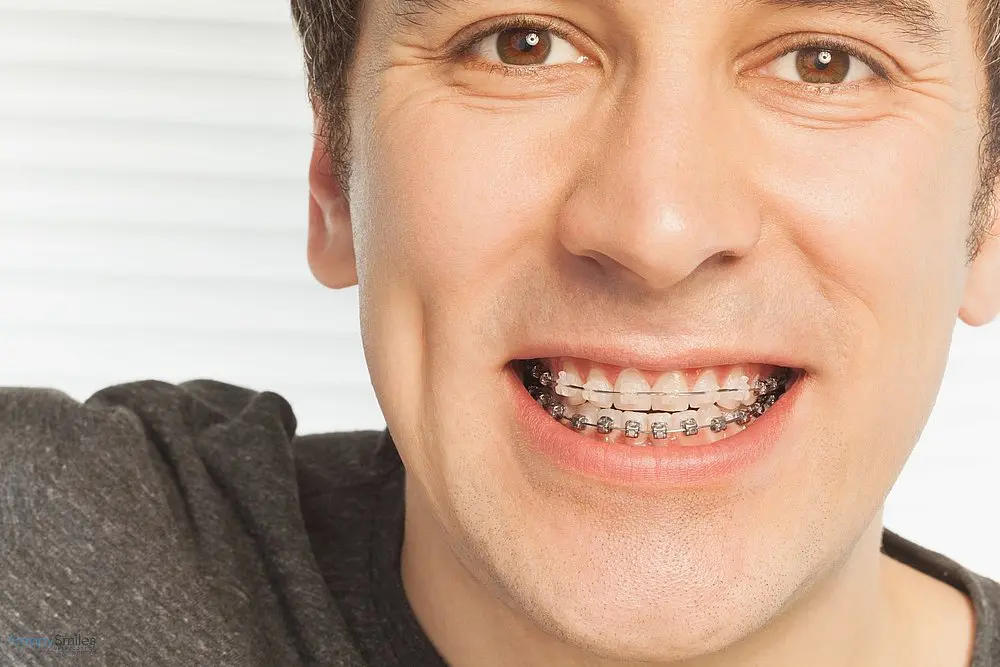
Traditional braces use brackets and wires to adjust teeth and jaw position gradually. They are especially effective for severe alignment issues such as crossbite or high-degree underbites.
Invisalign Aligners
These clear, removable trays are a popular choice for mild to moderate bite problems such as overbites or underbites. Invisalign aligners are a discreet and convenient option for straightening teeth. They work by gradually shifting teeth over time to improve jaw alignment.
Bite Appliances for Growth Modification
For younger patients, growth-modifying devices like headgear or expanders guide jaw development and ensure aligned jaw structure as they grow. According to Dr. Granit Morina, a well-known orthodontist in Leominster, MA, using these tools while kids are still growing can shape the jaw and teeth for best results.
Bite Turbos
As part of overbite correction, bite turbos are small tools that open the bite, allowing teeth to shift more effectively. They also minimize contact between overbiting teeth, preventing additional tooth wear.
Surgical Options
For severe cases, jaw surgery (orthognathic surgery) may be required. This approach repositions the jaw to correct structural issues and improve bite alignment. Surgery is usually combined with braces or Invisalign for optimal results.
Benefits of Bite Correction
Correcting overbites and underbites offers benefits far beyond aesthetics. Here’s what you can expect:
- Better Chewing and Speaking: Properly aligned teeth ensure efficient chewing and clearer speech.
- Reduced Jaw Pressure: Aligned jaws relieve stress on joints, cutting down on TMJ-related pain or headaches.
- Improved Hygiene: Straight teeth are easier to clean, reducing the risk of cavities and gum disease.
- More Confidence: A balanced smile improves self-esteem and makes you feel good about your appearance.
Costs of Treatment
The cost of fixing bite misalignments depends on the severity of the condition and the treatment approach. Here are general estimates:
- Braces or Invisalign: $3,500 to $7,500 for mild to moderate cases.
- Surgical Solutions: Costs increase for complex cases requiring surgery or growth appliances.
Life After Treatment
Once your treatment journey is complete, there are steps you should take to maintain your results.
- Retainers: Wearing a retainer is essential to keep your teeth aligned after braces or Invisalign. Your orthodontist will create a retention plan based on your needs.
- Good Oral Hygiene: Continue brushing and flossing every day to protect your teeth and gums. Avoid hard or sticky foods that can damage your orthodontic progress.
- Regular Orthodontic Checkups: Routine exams ensure your bite stays in good condition. Your orthodontist may make small adjustments if needed.
Why Choose Happy Smiles Orthodontics?
At Happy Smiles Orthodontics in St. Augustine, FL, we focus on patient care and creating long-term treatment results. Here’s what sets us apart:
- Customized Plans: Each patient receives an individualized treatment plan tailored to their unique needs.
- Advanced Technology: Tools like 3D imaging ensure accurate diagnoses and enhance treatment outcomes.
- Flexible Financing Options: We offer payment plans and accept most insurance plans providers to make care accessible for everyone.
Take the First Step to a Healthier Bite
Ready to fix your overbite or underbite? At Happy Smiles Orthodontics, we specialize in advanced orthodontic care for all bite alignment issues. Schedule a consultation today to learn about our treatment options and how we can help you achieve your smile goals!
About The Authors
Dr. Mark Komforti – Orthodontist in St. Augustine, FL
Dr. Karl Lugus – Pediatric Dentist in Cumming, GA
Frequently Asked Questions
Does an overbite get worse with age?
You might wonder if an overbite gets worse as you get older. The good news is, it usually doesn’t. But it also won’t fix itself on its own. Most overbites stay about the same through adulthood. Still, as we age, our teeth can shift a little, which might make an overbite look more noticeable. Also, normal wear on your teeth over time can change how your bite feels. So while your overbite might not truly get worse, it’s smart to keep an eye on it.
Can I fix an underbite completely?
The good news is that many underbites can be fixed. But everyone’s smile is different, so the treatment depends on how bad the underbite is. Some people can fix it with braces or clear aligners. In more serious cases, surgery might be needed along with orthodontic care. Don’t stress, with a good orthodontist or oral surgeon, you can get a healthy bite and a confident smile. The sooner you start, the better the results.
Do forks cause overbites?
Don’t worry, forks don’t cause overbites. That’s just a myth. Overbites usually come from genetics or habits like thumb-sucking in childhood. Your fork has nothing to do with it.